Headspace helps users build daily mindfulness skills. I designed principles around how Headspace can better show up for its users over the weekend.

Challenge

Headspace users consistently dropped off during weekends and struggled to resume their meditation practice on Mondays. This pattern disrupted habit formation and reduced long-term engagement.

Project Details

Role: Research, Design
Contribution: User Research, Rapid Ideation, Rapid Prototyping, Usability Testing
Timeframe: 3 months, 2019

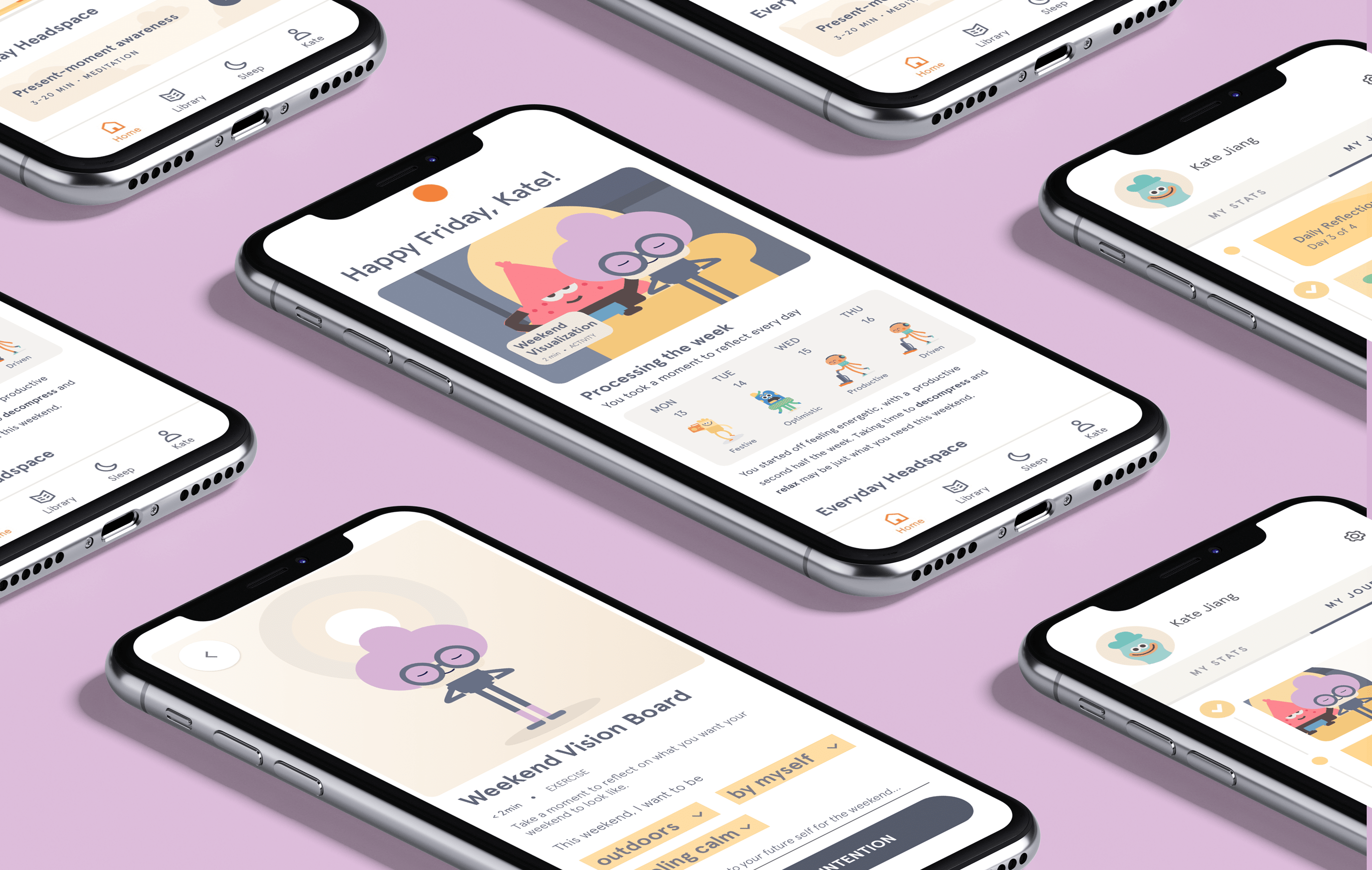
Mockups of the proposed Headspace feature designs on multiple phones laid on a lavender surface.

Solution

We designed a weekend reflection and intention-setting experience that helps users maintain mindfulness during their time off, reducing "Sunday Scaries" and creating smoother transitions into the work week.

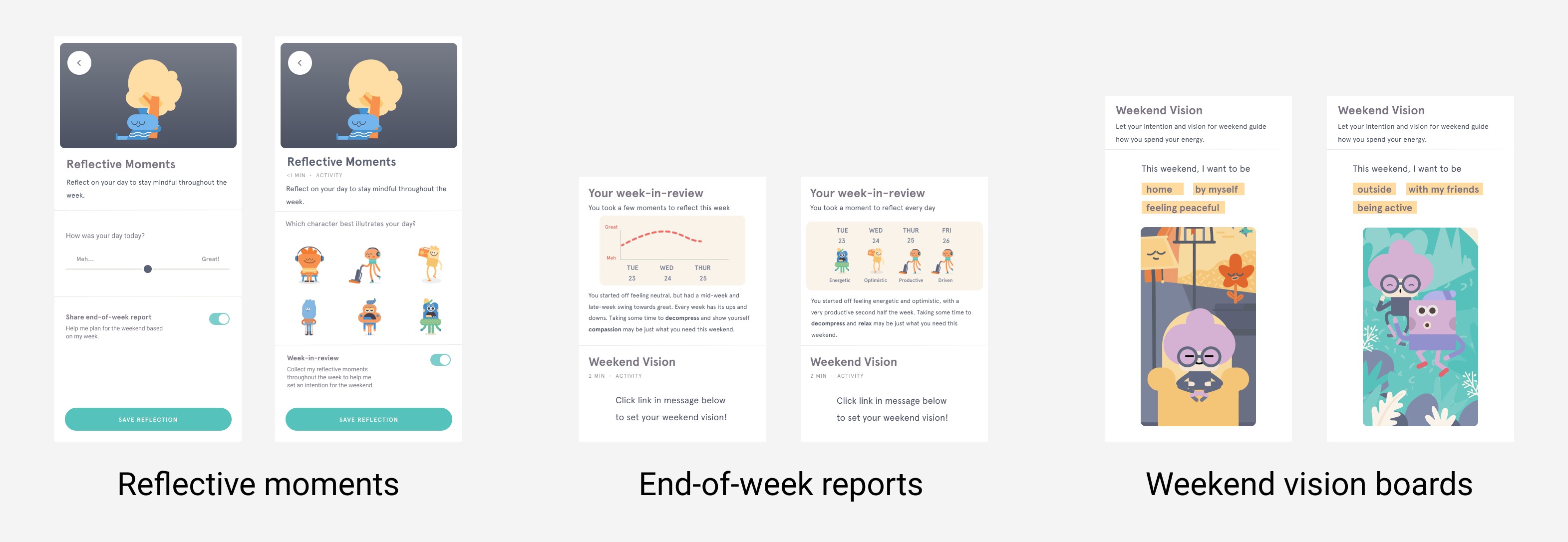
Engage in daily reflective moments throughout the week

Taking time to reflect can help inform weekend intention setting and also help users be more mindful and present during their weeks.

Impact: Regular reflection helps users increase self awareness and regulate emotionally.
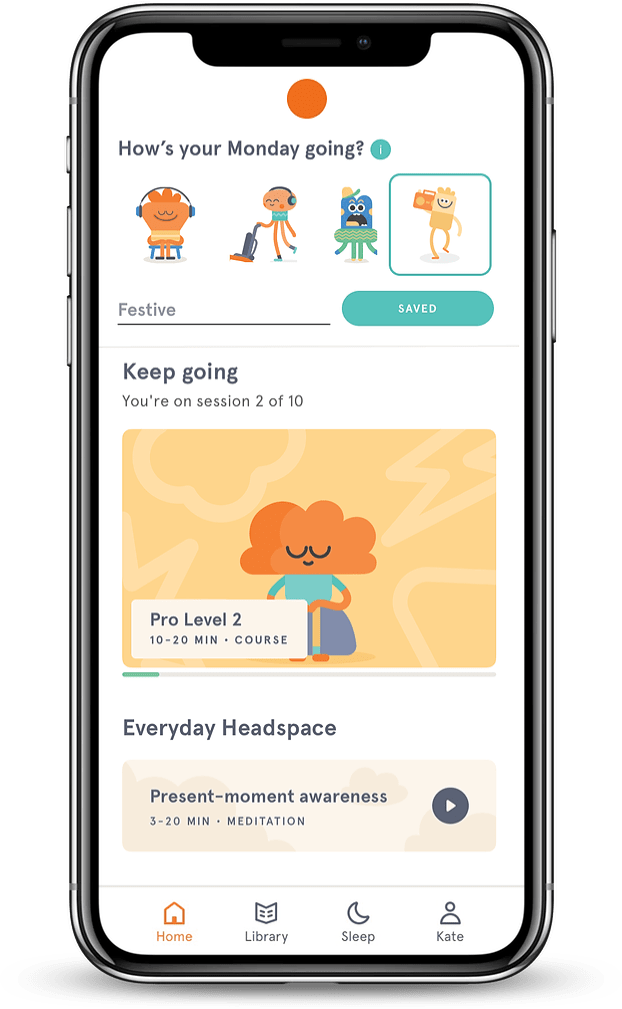
Mockup of Headspace app's landing page for users. At the top is a prompt "How's your Monday going," 4 character prompts of different emotions, and a free text field.

Simple reflection report

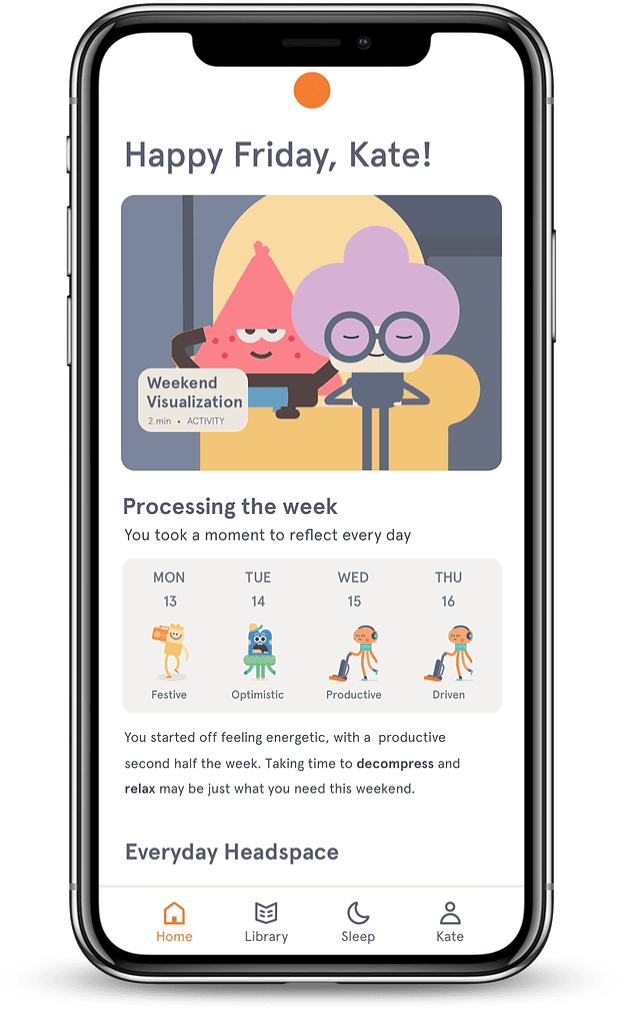
At the end of each week, users receive a personalized report summarizing their week: Mood patterns throughout the week, Mindfulness moments they engaged with, Reflective prompts to identify what brought them joy or stress

Impact: Users gain self-awareness about their emotional patterns, helping them make informed decisions about weekend activities.

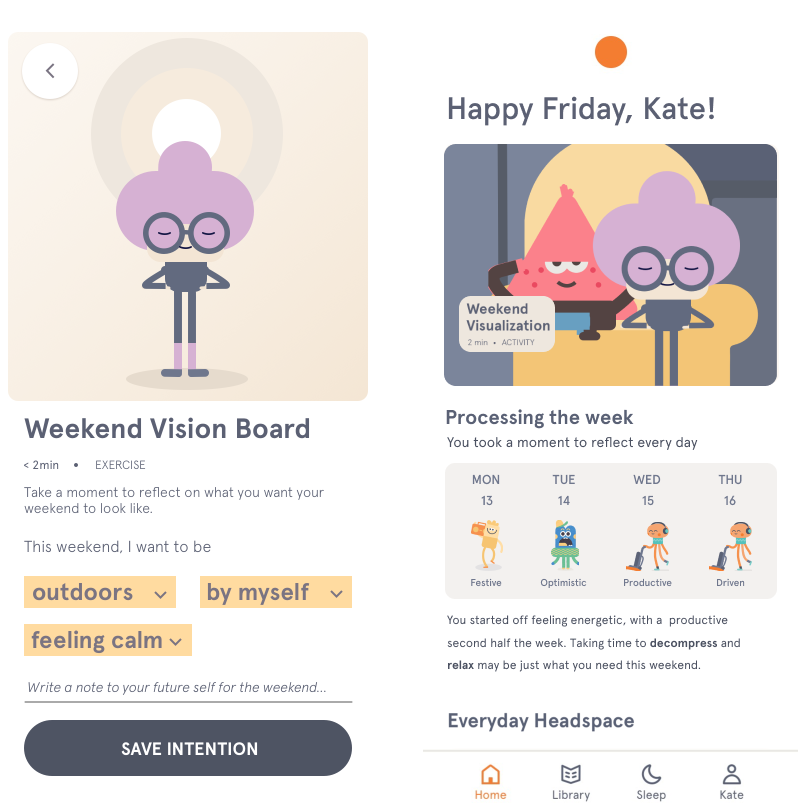
Set weekend intentions with vision boards

Users set weekend intentions through a playful, low-pressure "madlibs-style" exercise that lets them: choose activities they want to do vs. have to do, set realistic expectations for  productivity and rest, give themselves permission to prioritize downtime

Impact: Intentional planning reduces Sunday Scaries by helping users feel more in control of their time.
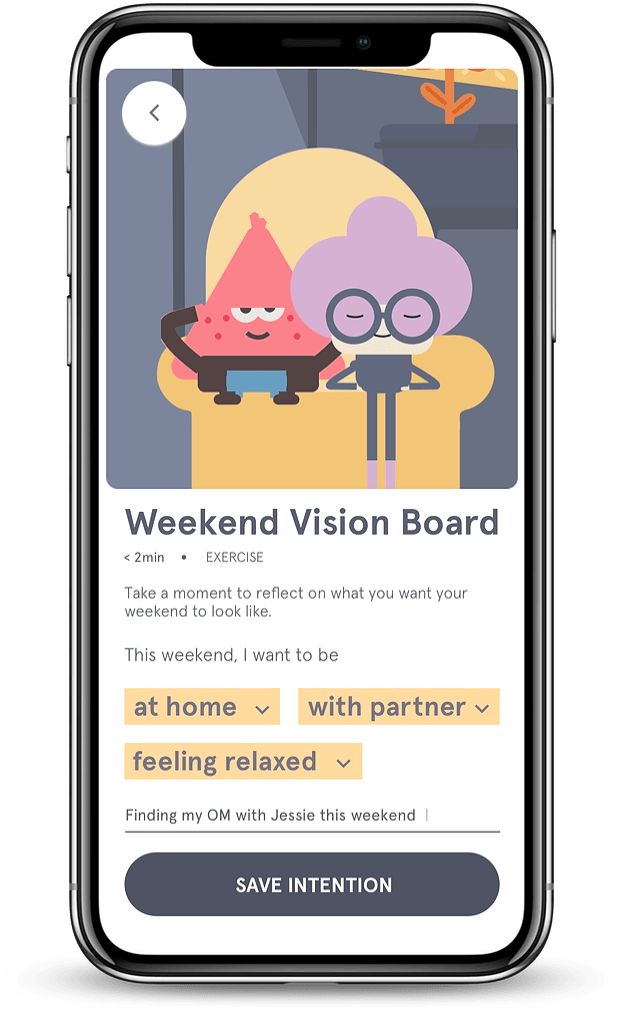
Mockup of end of week reporting feature - a report of what the user inputted for their daily feeling throughout the last week as well as a summarization.

The Problem

While people want to use their weekends to recharge, balancing social events, chores, work obligations, family time, and genuine rest proves challenging. This led us to ask: How might we help users approach their weekends in a way that fosters intention and balance?

Research Questions

  • How do people feel about their weekend?
  • How do they approach or plan weekends?
  • How can we effectively promote positive weekend habits?

Research Methods

  • User interviews
  • Expert interviews
  • Guerrilla research
  • Survey
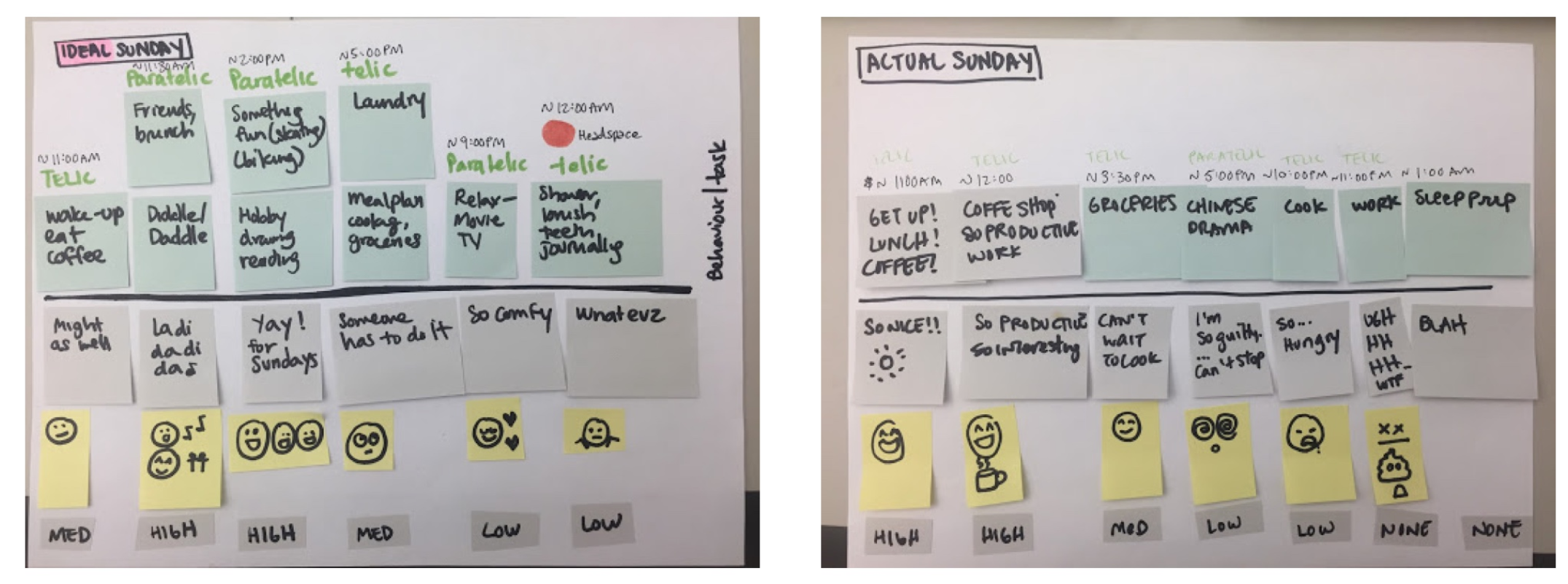
  • Mode mapping

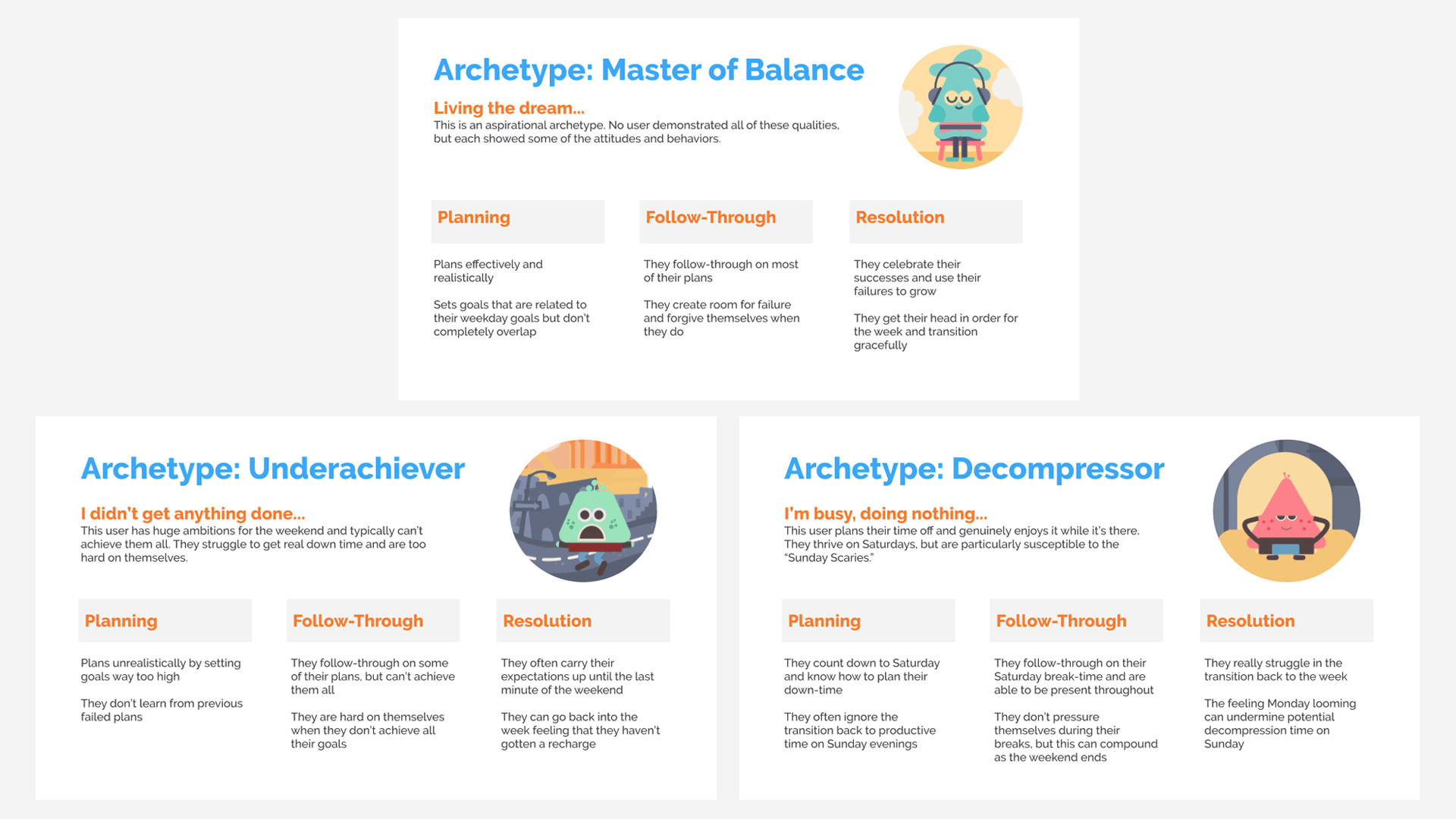
We identified three user archetypes based on weekend patterns. Of these three, we found that the vast majority of participants fell in either Underachiever or Decompressor buckets and very few, if any, aligned with Master of Balance.

Three user archetypes: Master of Balance, Underachiever, and Decompressor

Research Insights

Weekends are under a lot of pressure

People want recharge but struggle to give themselves permission to relax. It's challenging to balance events, chores, and spending time with family and friends.

Nobody really lives up to the Master of Balance

The Master of Balance archetype is highly aspirational. 85%+ of participants fell into Decompressor or Underachiever categories

Sunday Scaries are universal

Users felt unsatisfied with how they spent their weekend and anxious about the coming week

Design

Using the Crazy 8s rapid ideation method, we explored multiple intervention points:

Design Directions

Weekend Planning

Weekend Content

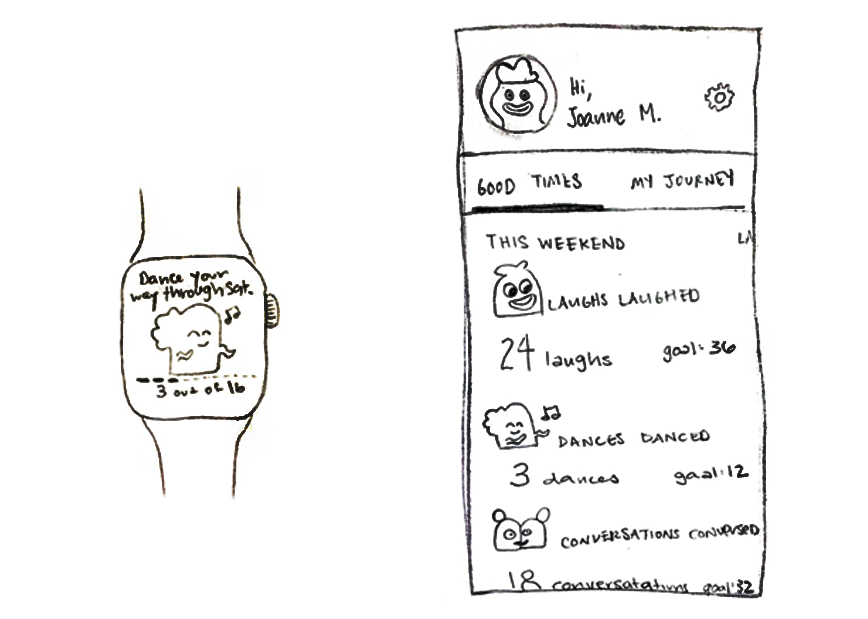
Good-time Metrics

How might we help users think about their weekend plans in a way that fosters intention and balance?

How might we incorporate activities people are doing already Headspace content framework?

How might we Enable users to notice and engage with positive moments throughout the week?

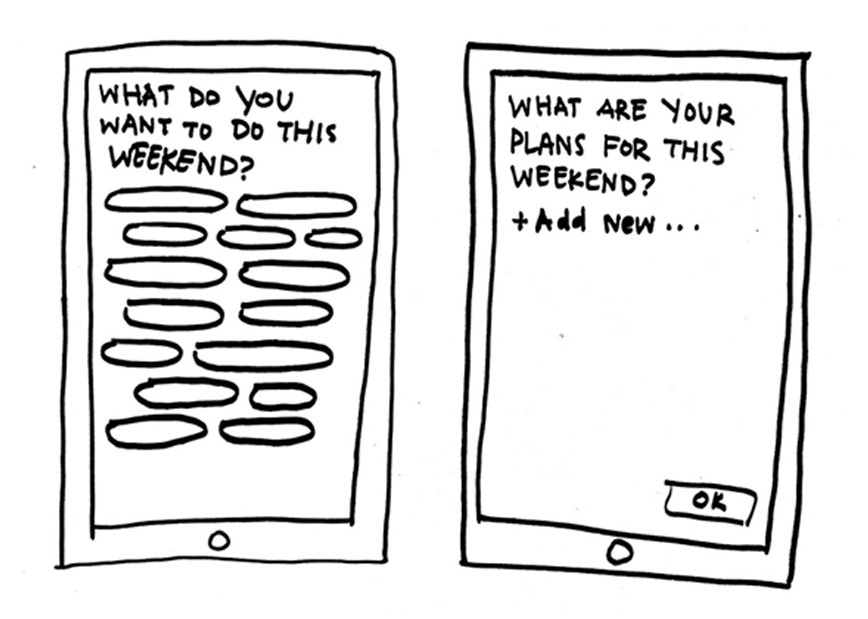
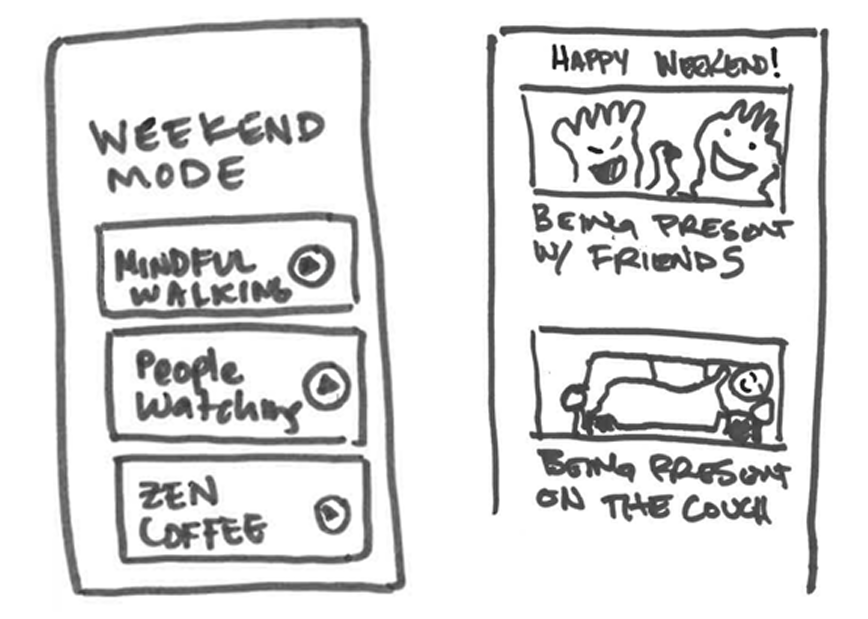
Sketches of prompts for the user to type in their weekend plansSketches of weekend content

After presenting these directions to stakeholders and evaluating scope, we focused on weekend planning and reflection as the highest-impact opportunity.

Concept Testing

We developed two testable hypotheses:

1. Daily reflection during the week will help users notice patterns and set more mindful weekend intentions.

Will be most effective for: Decompressors

2. Intention-setting is a fun, lightweight activity to prepare users for the weekend and remind them to relax.

Will be most effective for: Underachievers

Rapid Prototyping

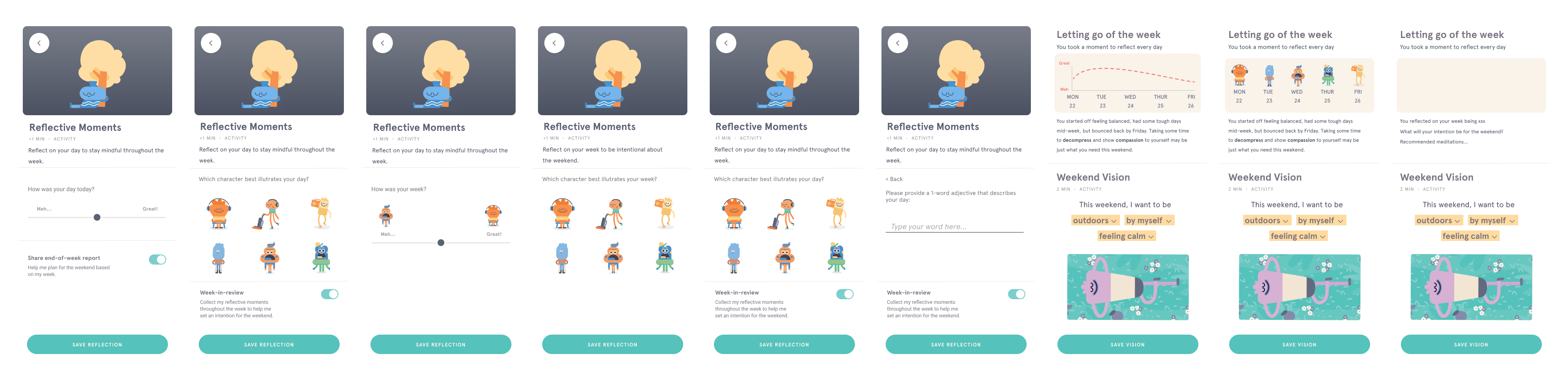
With hypotheses in mind, we continued our rapid prototyping to create three main features that we felt could be used for testing.

Diary Study Usability Test Plan

To test our two hypotheses, we conducted two one-week diary user studies that consisted of

  1. Onboarding survey to categorize six participants into our two archetypes
  2. Two weeks of activities: 1) Daily Reflection + Vision Board, 2) 1 End-of-week Reflection + Vision Board, 3) Just a Vision Board
  3. Wrap-up survey and debrief interviews

Diary Study Learnings

1. Archetypes are fluid

Users didn't fit neatly into categories; they shifted between behaviors depending on the week

2. Control matters

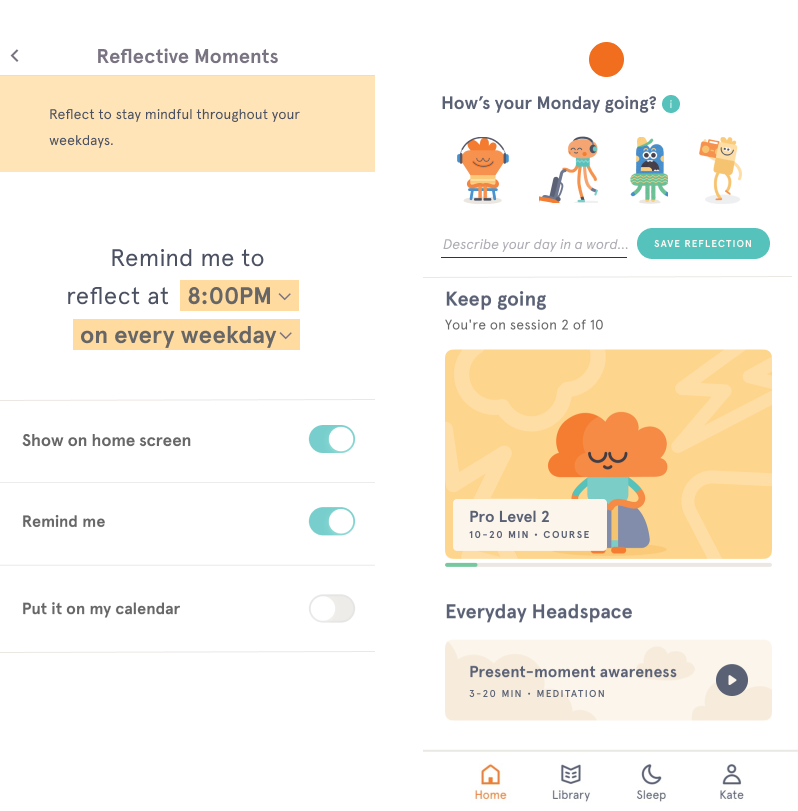
Research participants wanted more control over delivery, including frequency and time of day preferences for when they performed exercises and if they wanted to be reminded/notified at all.

We designed screens to allow users to set their reflective moment delivery.

3. Intention setting was successful with vision boarding

Weekend vision boarding was the favorite feature. The playful illustrations and low-pressure format made intention-setting feel enjoyable rather than burdensome.

Final Guiding Principles

Based on our research and testing, we established principles to guide future development:

1. Get ahead of the weekend

Setting intentions helps people think realistically about their weekend and reduces guilt when making space for downtime.

2. Build reflection into the week

Daily micro-reflections enable mindful intention-setting and encourage presence throughout the week, taking pressure off weekends.

3. Support Decompressors first

"Sunday Scaries" affect Decompressors most severely. By encouraging weekday reflection, we help them maintain balance and reduce weekend burnout.

4. Keep it light and playful

These activities are only effective if they feel enjoyable. Maintaining playful, lightweight interactions prevents them from feeling like work.

IntroSolutionResearchDesignTestingFinal Principles